


Germany is facing an aging population, leading to a severe shortage of nursing staff. Demand is expected to keep rising in the coming years. Many countries, including Germany and the United States, are seeking solutions to attract foreign nurses to help address this shortfall.
An Introduction to Nursing and Its Role in the Healthcare System
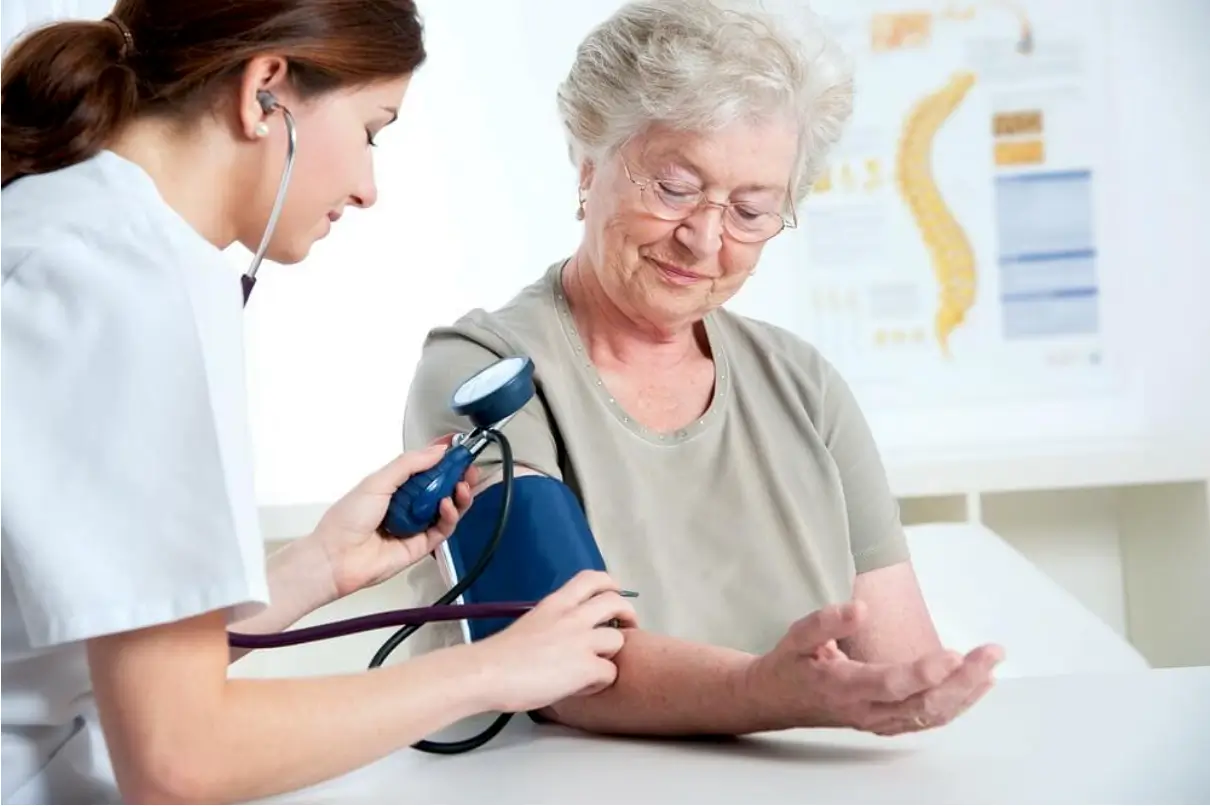
Nursing is a healthcare profession in which nurses provide direct patient care and support physicians throughout treatment. They monitor patient conditions, perform basic medical care (taking blood pressure, administering injections, dressing wounds, giving medications, etc.), and act as a communication bridge between doctors and patients to ensure treatment plans are followed.
Nurses are often described as the “backbone” of the healthcare system. They maintain continuity of care, support patient recovery, reduce the workload for physicians, and provide peace of mind to patients and families. In Germany as well, nurses are indispensable to the effective functioning of healthcare services.

The German Nursing Job Market Today
Germany is experiencing an acute shortage of nursing personnel due to rapid population aging. In 2023, roughly 35,000 nursing positions across the country went unfilled. The need for nurses is projected to rise further in the years ahead.
To make up for the shortfall, Germany actively recruits nurses from abroad. As of 2023, about 270,000 foreign nurses were working in Germany (16% of the total nursing workforce, up from just 5% in 2013). The German government has launched international cooperation programs such as Triple Win to recruit nurses from countries like Vietnam and others. These efforts both supplement Germany’s care workforce and create job opportunities for partner countries like Vietnam.
In short, Germany’s nursing market is experiencing unprecedented demand. Hospitals, nursing homes, and home-care services are recruiting heavily nationwide. This presents a wide-open opportunity for those interested in nursing and willing to work in Germany, where career prospects and compensation are among the most attractive.
Numbers of Vietnamese Going to Germany to Study and Work in Nursing
Since 2013, the Triple Win cooperation program has selected more than 900 Vietnamese nurses to study and work in Germany (as of early 2025). In addition, several pilot programs (in cooperation with German healthcare groups such as Vivantes) have begun sending Vietnamese nurses to Germany in cohorts of dozens per intake.
Today, the Vietnamese nursing community in Germany continues to grow. After nearly a decade, hundreds of Vietnamese nurses have graduated and are working long-term in Germany; many have settled and built stable lives. Their average income is high compared with Vietnam (around EUR 3,300 per month), showing that those who went earlier are reaping worthy rewards after a few years on the job.
The success of earlier cohorts is motivating more young people to apply. Given the ongoing labor shortage, it is expected that hundreds more Vietnamese candidates will be recruited each year. This is both a challenge (requiring solid German language skills and professional competence) and a golden opportunity for young Vietnamese to enter Germany’s nursing sector—a job market full of potential and appeal.

Core Duties of Nurses in Germany
- Basic patient care: Closely monitor patient health, regularly check vital signs to detect abnormalities early. Assist with daily activities (eating, hygiene, light mobility), especially for the elderly or post-operative patients.
- Carrying out medical orders and procedures: Under physician supervision, dispense medications, administer infusions, change dressings, collect samples for testing, etc., precisely as prescribed and on schedule. Ensure adherence to medication and treatment protocols.
- Rehabilitation support and psychosocial care: Assess patient progress and report abnormalities to physicians; guide patients through physiotherapy and the use of assistive devices (oxygen therapy, mobility aids, etc.) to promote recovery. Provide emotional support, communicate health status, and instruct families on care to give both patients and relatives peace of mind.
In Germany, the scope of nursing duties is clearly defined: nurses perform tasks within their trained competencies and under the direction of a head nurse or physician. These rules safeguard patient safety and protect practitioners. Overall, nursing in Germany demands discipline, dedication, and strong expertise—in return, you work in a modern, professional healthcare environment with many advancement opportunities as you gain experience.
Practice Settings for Nurses in Germany
Nurses in Germany can work in multiple settings: general nursing in hospitals (inpatient, outpatient, and support in acute cases), geriatric nursing in nursing homes (elderly and chronic conditions), and home-care nursing (visiting patients at home to assist with daily living and basic treatment). Each setting has its own characteristics, but all share the goal of optimal patient care.
After completing the three-year general nursing program, you can choose to work in hospitals, nursing homes, or home-care services, depending on your interests and opportunities. Since 2020, Germany has implemented a unified general nursing qualification that enables nurses to work across different settings without being constrained by an initial specialty. Regardless of the field, continuous learning is essential; you can pursue advanced training (specialty or management) to develop your career.
Nursing Salaries in Germany
During vocational nursing training, trainees receive an allowance of about EUR 1,100–1,300 per month, increasing each year. This typically covers basic living costs because tuition is waived and affordable housing is available. After graduation, starting salaries range from roughly EUR 2,500–3,000 per month (gross), equivalent to about VND 62–75 million. Pay rises steadily with experience; after a few years, earnings can reach EUR 3,500–4,000 per month or more, especially in major hospitals or in supervisory roles.
There are modest regional differences: western states often pay slightly more than eastern states, though the gap is narrowing. Many Vietnamese nurses in Germany currently earn around VND 90 million per month (~EUR 3,300), not including supplements. Night shifts and weekend work bring additional allowances, which can raise total income further. Overall, nursing salaries in Germany are attractive and stable enough to support a long-term career.
Assessment: Should You Go to Germany for Nursing? (Pros & Cons)
Pros
- High demand and job security: Germany’s severe shortage means you are very likely to secure employment after graduating, with choices of workplace and advancement opportunities.
- Attractive income and strong benefits: Competitive pay (starting around EUR 2,500/month, rising with experience) plus comprehensive German social benefits—health insurance, pension, annual leave, and shift allowances.
- Modern, professional work environment: Hospitals and nursing homes are well-equipped and follow rigorous procedures. You’ll enhance your skills through advanced medical technology and a disciplined, efficient work culture.
- Pathways to settlement and personal growth: After a few years, you may qualify for long-term residence and even citizenship, enabling a stable future for your family. You’ll also grow significantly—improving language skills, cultural understanding, and self-reliance.
Cons & Challenges
- Language, culture, and lifestyle barriers: German is challenging; you’ll need at least B1–B2 proficiency for effective work, requiring serious study. Cultural adjustment can be tough—punctuality, discipline, and directness are emphasized.
- Demanding, high-pressure work: Nursing is physically and emotionally taxing—night shifts, long hours on your feet, lifting patients, and coping with severe illness and loss. Without genuine motivation and resilience, stress or burnout is possible.
- Distance from family: Working in Germany means being far from home for long periods, which can be emotionally difficult and limit visits due to distance and workload.
- Upfront investment: Expect 1–2 years of language study and document preparation. Costs for language courses, exams, paperwork, and flights can total several thousand USD. Some programs (e.g., Triple Win) subsidize part of these expenses, but you’ll still shoulder a significant share. Thanks to higher pay in Germany, you can typically recoup costs after a few months of work.
In summary, if you lack the health, passion, or adaptability required, nursing in Germany may not be the right path. Honestly assess yourself and seek advice from experienced professionals before deciding.
Requirements to Study and Work in Nursing in Germany
- Education/qualification: At minimum, a high school diploma. Programs often prefer applicants with prior healthcare training (e.g., vocational or college-level nursing, general practice assistant, midwifery). A medical background helps you adapt faster to German training. Some programs still accept recent high-school graduates if other conditions are met.
- German language proficiency: Typically A2 or B1 before departure and B2 to practice in Germany. Start learning early and study diligently. (Many programs partially support language tuition to ease the financial burden.)
- Age: Most programs recruit candidates aged 19–30 (some up to 35) to ensure physical fitness, agility, and sufficient years of service post-training. Applicants over 30–35 can still self-fund if admitted and granted a visa, but competition is tougher.
- Health and background: Good overall health with no serious infectious diseases or debilitating chronic conditions. Medical checks are required before departure. A clean criminal record is also essential in the German system.

Who Should Avoid the German Nursing Track
- Poor health or serious physical limitations: The job requires good fitness (long periods standing, frequent movement, lifting patients, night shifts). Severe musculoskeletal problems, cardiac issues, or frailty make the work unsustainable.
- Lack of genuine care motivation: If your sole aim is “going abroad to make money” without a real interest in caring for others, you’ll struggle with the demands of the job. Nursing requires heart and commitment; some who went solely for pay found the work too hard and returned home—costly financially and reputationally.
- Family obligations that prevent long absences: If you have young children or elderly parents who require your care and cannot be left for years, moving to Germany will be emotionally and practically difficult. Ensure family arrangements are in place beforehand.
In short, nursing in Germany is not for those without the requisite health, passion, or adaptability. Be honest with yourself and consult those with experience to avoid missteps.
Conclusion & Call to Action
Germany’s nursing sector offers excellent opportunities for Vietnamese workers, with strong demand, attractive income, and clear residency pathways. This overview has covered the noble role of nursing, Germany’s labor shortage, salary prospects, requirements, and key considerations. If you have the passion and determination, this is a highly promising career choice.
If you feel ready to pursue a nursing career in Germany, take action now:
- Research and seek guidance: Contact reputable vocational-study centers or recruitment agencies for German nursing to receive detailed counseling. Experienced advisors can answer your questions and help you choose the best pathway.
- Prepare documents and learn German: Start learning German immediately and gather necessary paperwork (diplomas, language certificates, personal documents). Early preparation raises your chances of success. Don’t worry if your German isn’t strong yet—there are preparatory courses before departure. The key is to start and study consistently.
- Apply when cohorts open: Follow official announcements for German nursing intakes. When opportunities arise, seize them. If you meet the requirements and show commitment, the door to Germany will open.
Don’t miss your chance at a brighter future through nursing in Germany! Contact us today for free consultation on German nursing programs. We’ll accompany you every step of the way—from language study and paperwork to your arrival in Germany and settling in.
Wishing you every success on the path you choose!